This is a general list of common issues in the region, however there are many more. Please feel free to ask if you don’t see your culprit in the list below. If it crawls where it shouldn’t, we’ll make sure it won’t for long! Reader beware.
Services
Ants
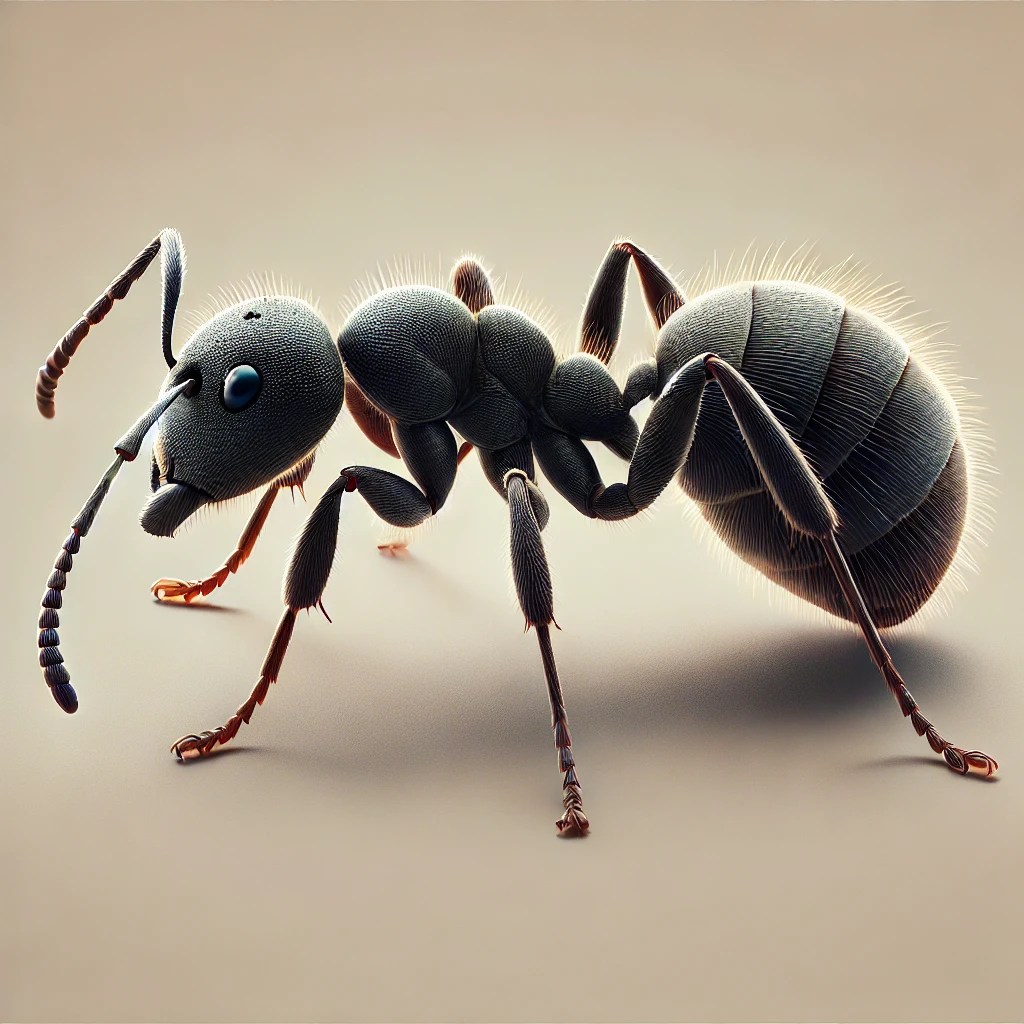
Ants are one of the most common household pests, invading homes and businesses in search of food, water, and shelter. They are highly organized and leave pheromone trails to guide others to food sources, leading to large numbers appearing seemingly overnight. Most ants prefer sugary or greasy foods, making kitchens and pantries prime targets. While they don’t pose direct health risks, they can contaminate food and become a persistent nuisance if left unchecked. Some species, like pavement ants, nest in soil near foundations, while others, like odorous house ants, emit a foul smell when crushed. Proper identification is key to effective treatment, as different species require different approaches. Carpenter ants, which can cause structural damage by tunneling into wood, require specialized treatment—see below for more on them specifically.
Bed Bugs
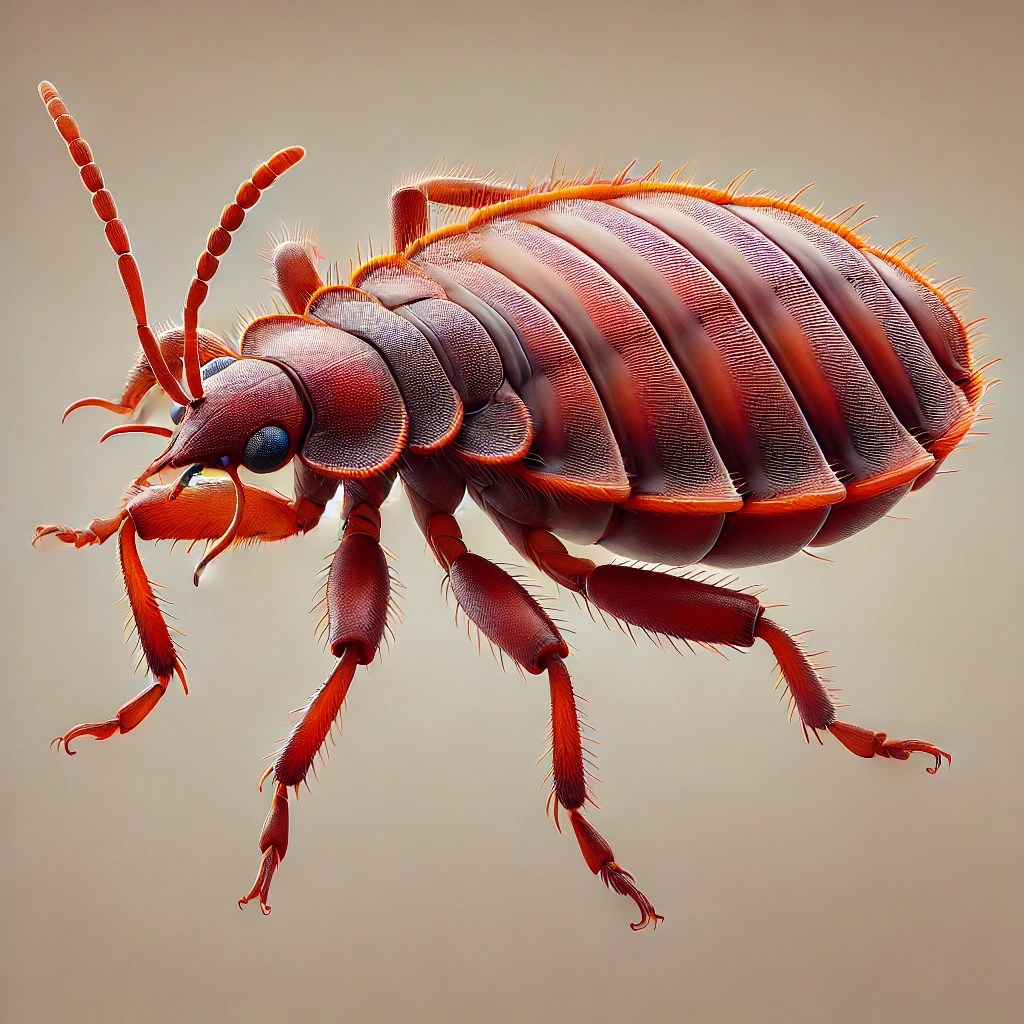
Bed bugs are small, reddish-brown insects that feed on blood, preferring to stay close to their human hosts. While they’re often associated with beds, they can infest any place where people relax for long periods—couches, recliners, carpets, and even vehicles. Though they are most active at night, bed bugs are opportunistic feeders and will bite whenever a host is available. They hide in cracks, crevices, and fabric folds, making them difficult to detect. To complicate matters, about one in three people show no visible reaction to their bites, allowing infestations to go unnoticed until they become severe. With females laying hundreds of eggs in their lifetime, populations can grow rapidly. While bed bugs don’t transmit diseases, their presence can cause significant stress and discomfort.
Boring Beetles (Wood)
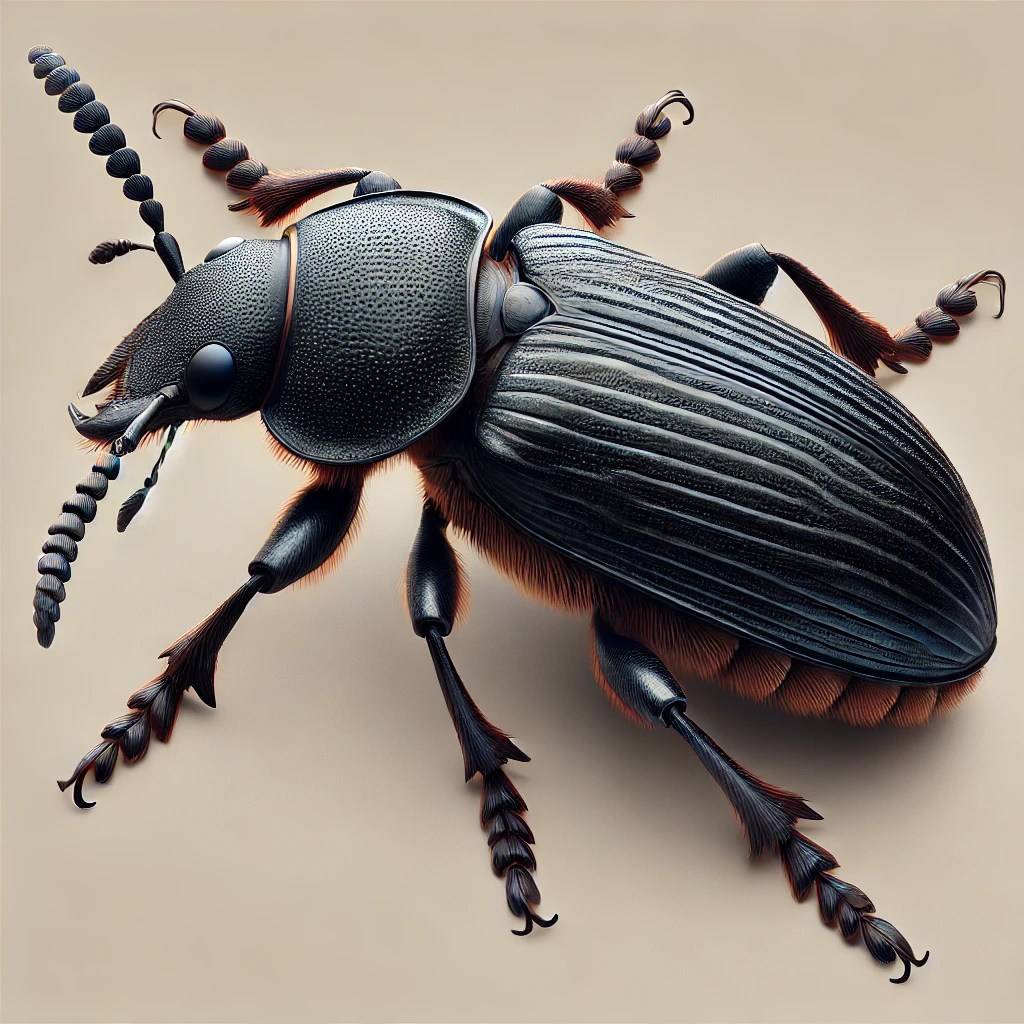
Wood-boring beetles are a group of insects that infest and damage wood, often going unnoticed until the damage becomes severe. Their larvae, not the adults, are responsible for the destruction, tunneling through wood as they feed and develop. Infestations can last for years, weakening structural beams, furniture, flooring, and even antique wooden artifacts. Signs of an infestation include small exit holes, fine sawdust-like frass, and weakened wood that crumbles easily. Some species prefer fresh-cut or damp wood, while others can survive in dry, seasoned lumber. Proper identification is crucial, as treatment methods vary depending on the species and the extent of the infestation.
Carpenter Ants
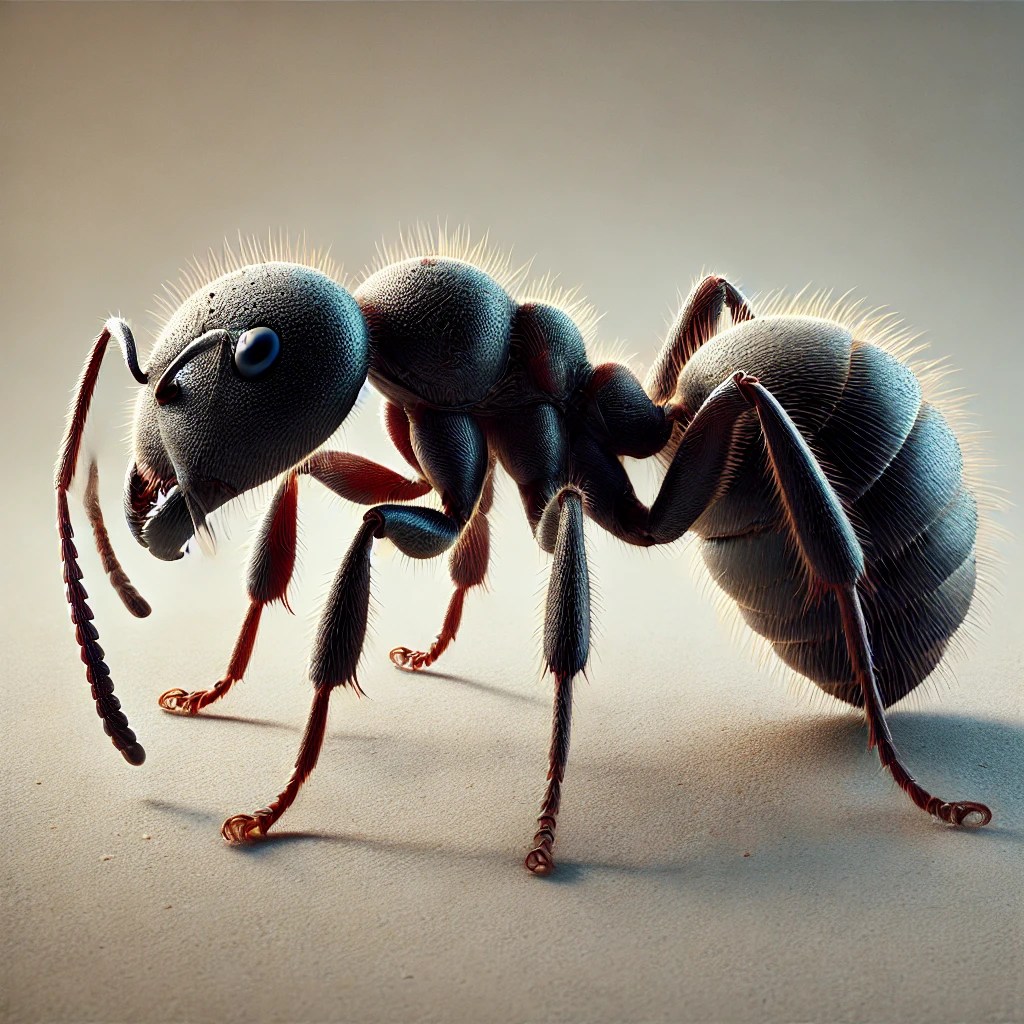
Carpenter ants are large, black or reddish ants known for tunneling into wood to create nests. Unlike termites, they don’t eat wood but excavate it to form smooth galleries, often weakening structures over time. They prefer damp or decaying wood, making homes with moisture issues particularly vulnerable. Carpenter ants are most active at night but can be seen foraging during the day, often in kitchens and around food sources. Winged swarmers in the home are a strong indication of a mature colony nearby. Because satellite nests can form in walls, attics, and hollow doors, eliminating an infestation requires locating and treating the main colony. Left unchecked, they can cause significant structural damage.
Carpet Beetles
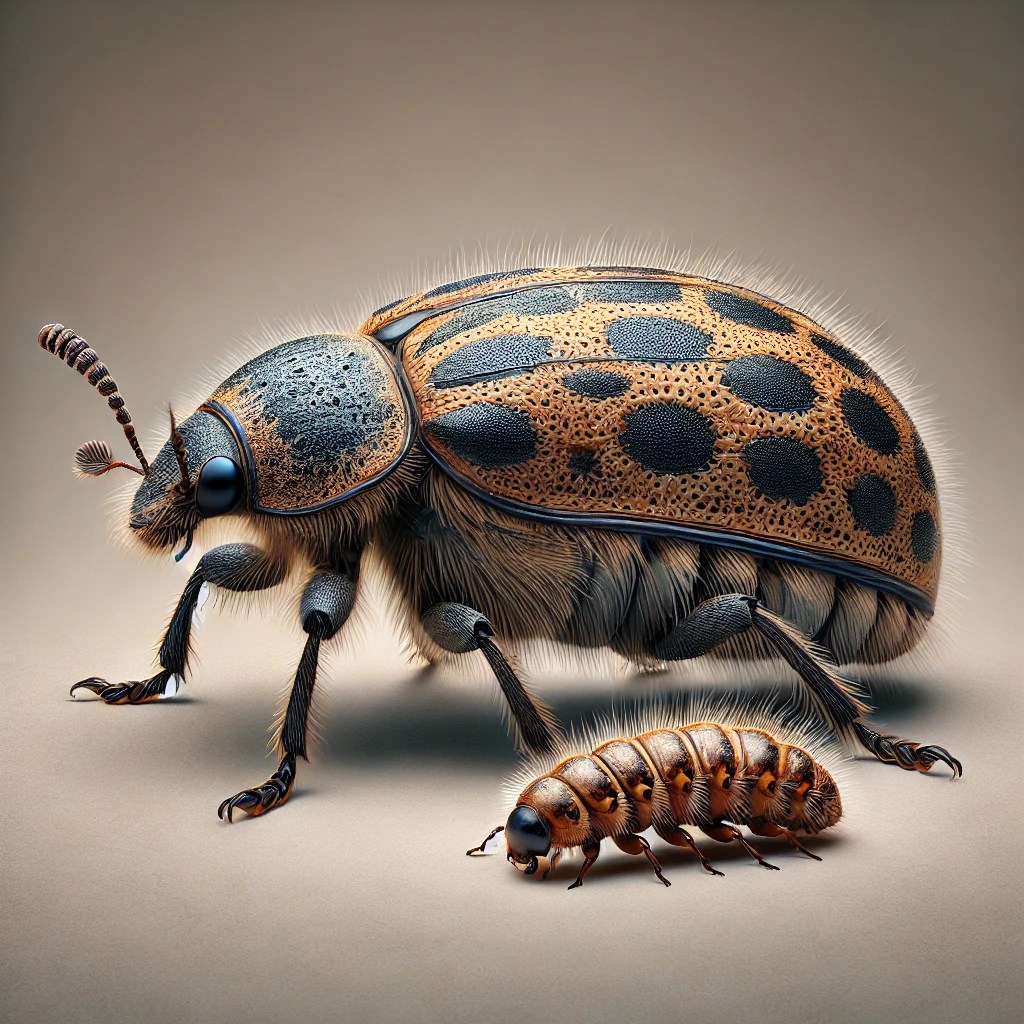
Carpet beetles are small, oval-shaped insects that can cause significant damage to natural fibers like wool, silk, leather, and even stored food products. Their larvae, often mistaken for tiny fuzzy caterpillars, are the real problem—feeding on fabric, furniture, and other organic materials as they develop. In addition to their destructive feeding habits, carpet beetle larvae shed tiny bristly hairs that can trigger allergic reactions in some people. These reactions often resemble bed bug bites, leading to misidentification. Long-term exposure to their shed hairs and debris can also contribute to respiratory issues like asthma or emphysema in sensitive individuals. Because they often go unnoticed until damage is extensive, early detection and proper treatment are key to controlling an infestation.
Clothing Moths
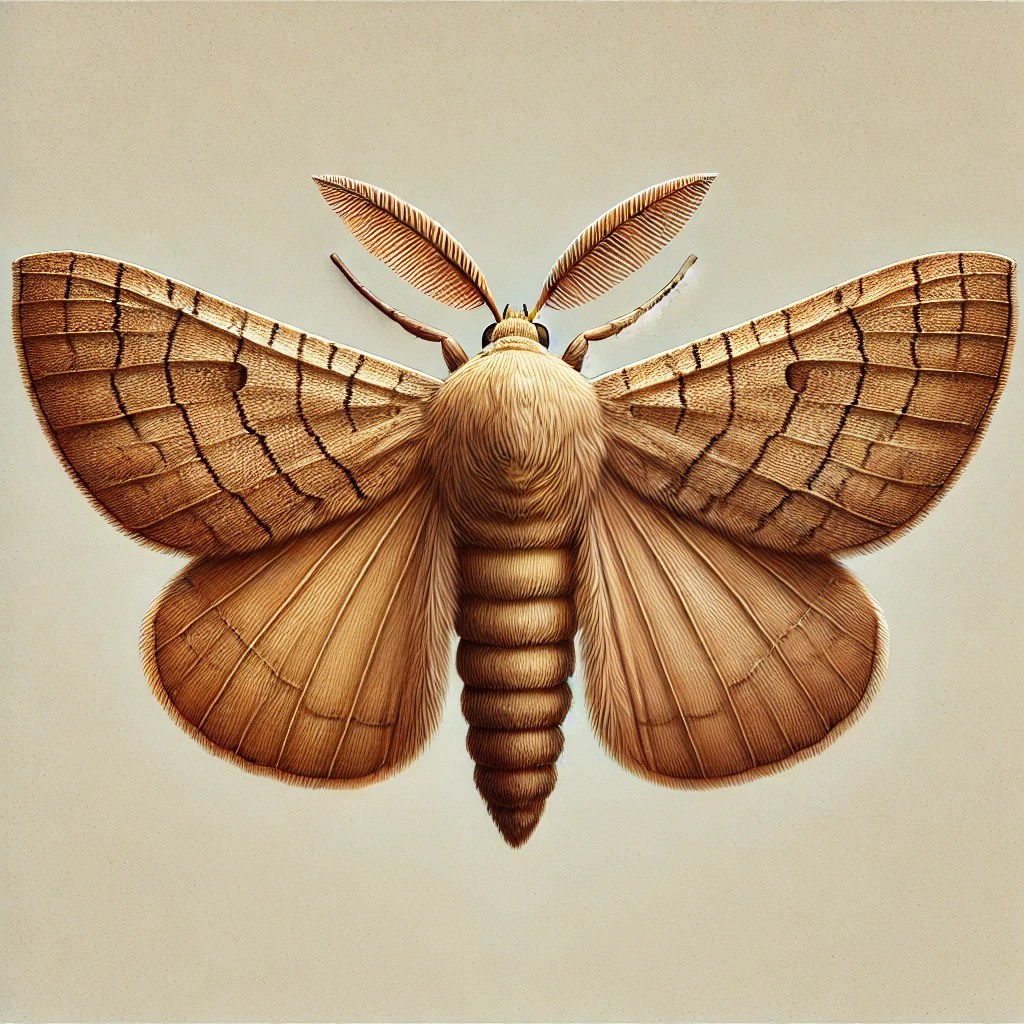
Clothing moths are small, secretive insects that target natural fibers like wool, silk, fur, and cashmere. Unlike other moths, they avoid light and prefer dark, undisturbed areas such as closets, drawers, and storage boxes. The real damage comes from their larvae, which feed on fabrics, often leaving behind irregular holes and silk webbing. Their eggs are particularly resilient, capable of surviving in fabrics for extended periods before hatching under the right conditions—sometimes weeks or even months later. This delayed emergence makes infestations difficult to detect and control. Clothing moths are highly persistent, with larvae able to survive on lint, pet hair, and even tiny sweat or food particles embedded in fabric. Proper storage, regular cleaning, and targeted treatments are essential to prevent and eliminate an infestation.
Cockroaches
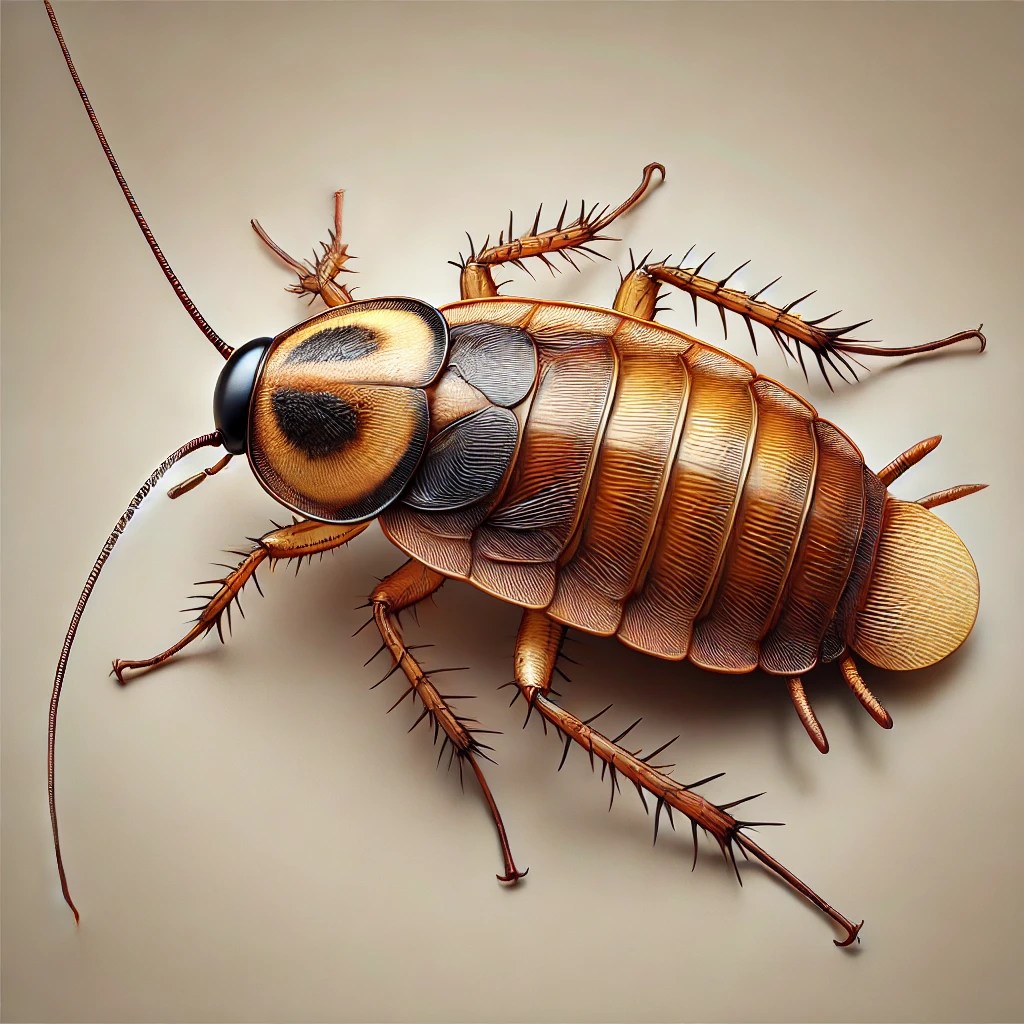
Cockroaches are resilient, fast-breeding pests that thrive in warm, humid environments with easy access to food and water. They are not just a sign of poor sanitation—these adaptable insects can survive in clean homes and businesses by feeding on crumbs, grease, paper, and even glue. Cockroaches are nocturnal but will scavenge during the day if their population is large or food is scarce. They tend to hide in cracks, under appliances, and inside walls, making them difficult to eliminate without professional treatment. Beyond being a nuisance, cockroaches can trigger allergies, spread bacteria, and contaminate food. Their rapid reproduction and resistance to many DIY treatments make early intervention crucial to preventing a full-blown infestation.
Fleas
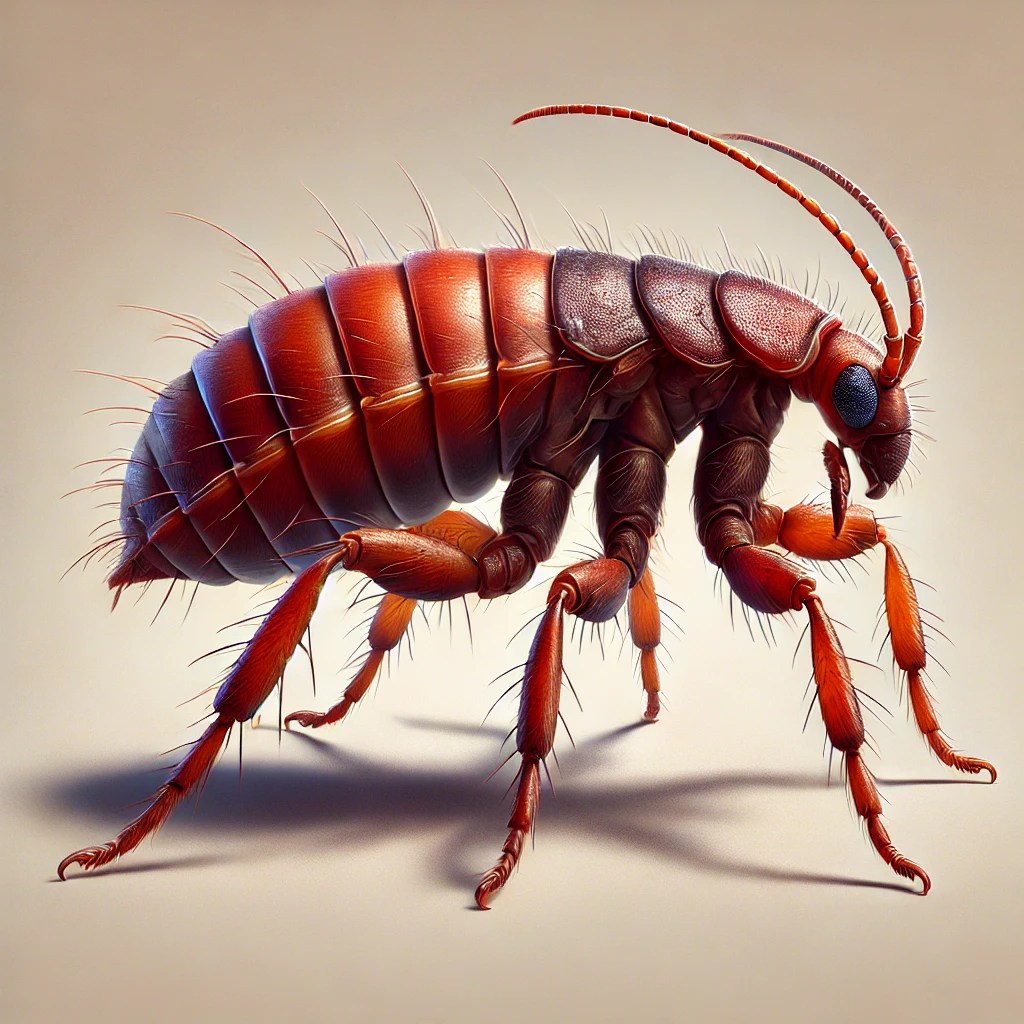
Fleas are tiny, fast-moving parasites that feed on the blood of animals and humans, often causing persistent itching and irritation. Their powerful legs allow them to jump long distances, making them highly mobile and difficult to catch. While commonly associated with pets, fleas can infest homes even without animals, hitching rides on clothing or being brought in by rodents or wildlife. Their eggs are especially troublesome—laid in carpets, furniture, and bedding, they can remain dormant for weeks or even months, hatching when conditions are right. This delayed emergence makes flea infestations notoriously difficult to eliminate. Beyond their itchy bites, fleas can transmit diseases and cause allergic reactions, making prompt treatment essential to breaking their life cycle.
Flies
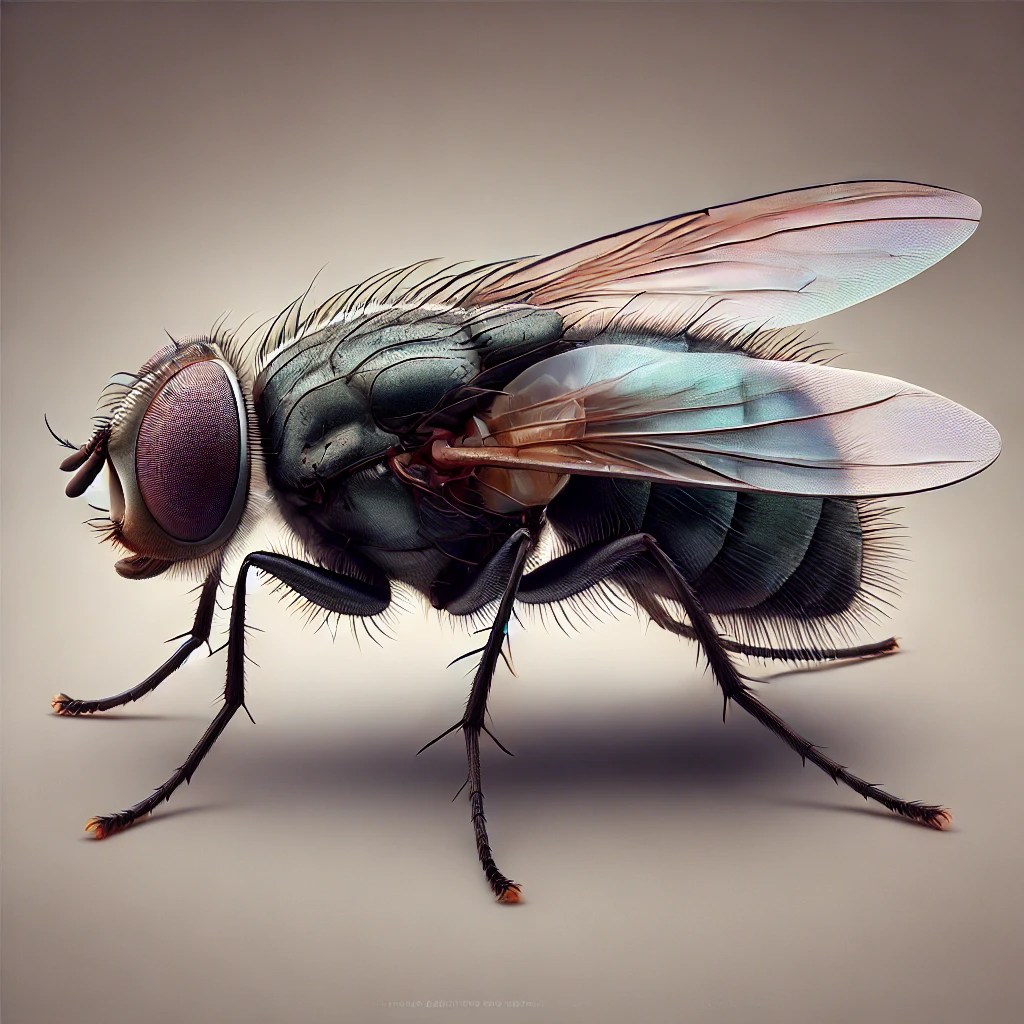
Flies are fast-breeding pests that can quickly become a nuisance in homes and businesses, often signaling sanitation issues or hidden sources of decay. Common species, like house flies and fruit flies, are drawn to food, waste, and sugary substances, while others, like cluster flies, invade homes seasonally to overwinter. Flies don’t just annoy—they can spread bacteria and contaminate surfaces by landing on food and garbage before moving through living spaces.
A particularly stubborn variety is the drain fly, which thrives in damp, organic buildup inside pipes, floor drains, and garbage disposals. These fuzzy, slow-moving flies lay their eggs in the sludge lining drains, making infestations difficult to eliminate without thorough cleaning. Controlling flies often requires addressing breeding sites directly, as killing adults alone won’t stop their rapid reproduction.
Gnats
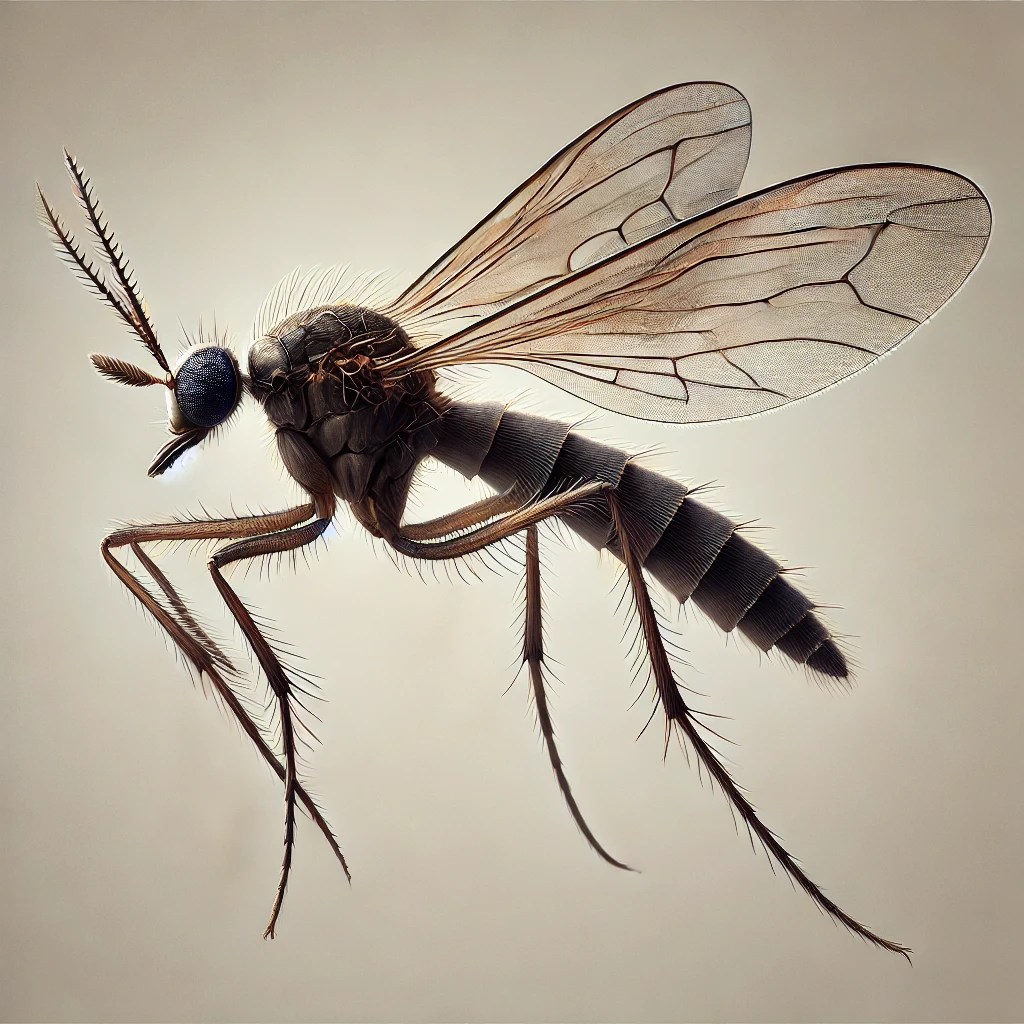
Gnats are small, flying insects that often appear in swarms, typically around moisture, decaying organic matter, or overripe fruit. While they may seem harmless, their rapid reproduction and persistent presence can quickly become a nuisance. Common types include fungus gnats, which thrive in damp soil and infest houseplants, and fruit flies, which are drawn to fermenting produce and sugary residues.
Gnats lay their eggs in moist environments, making overwatered plants, clogged drains, and food waste prime breeding grounds. Their larvae develop quickly, and since eggs can hatch in just a few days, infestations can escalate rapidly. Controlling gnats requires eliminating standing water, cleaning up organic debris, and targeting breeding sites, as killing the adults alone won’t stop the cycle.
Mice
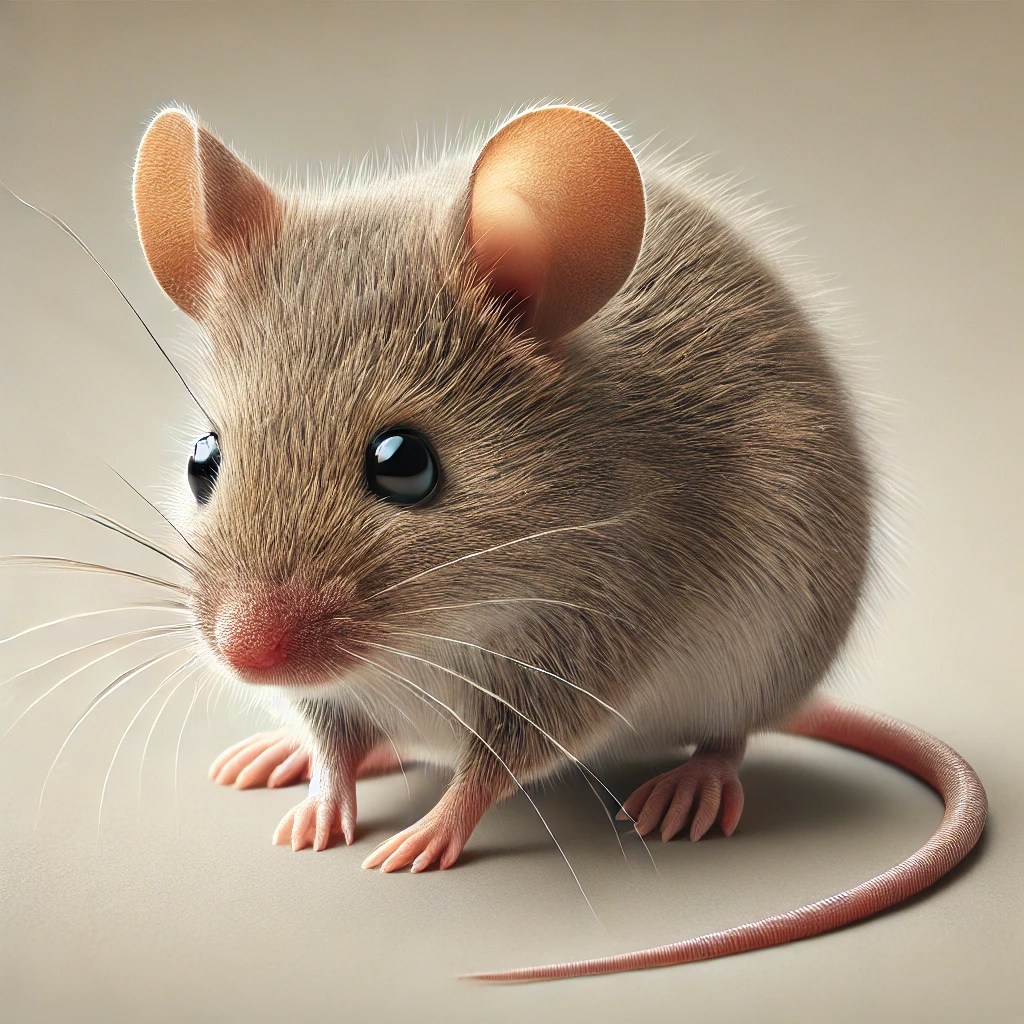
Mice are small, highly adaptable rodents that thrive in human environments, seeking shelter, food, and warmth. They can squeeze through openings as small as a dime, making homes, businesses, and storage spaces easy targets. Mice are nocturnal but will explore during the day if food is scarce or populations are high. They gnaw constantly to keep their teeth from overgrowing, damaging walls, wires, furniture, and even insulation in the process.
Beyond structural damage, mice pose health risks by contaminating food and surfaces with their droppings and urine. They can spread bacteria and diseases, and their presence often attracts other pests like fleas and mites. Because they breed quickly—producing several litters a year—early detection and control are essential to preventing a full-blown infestation.
Pantry Pests
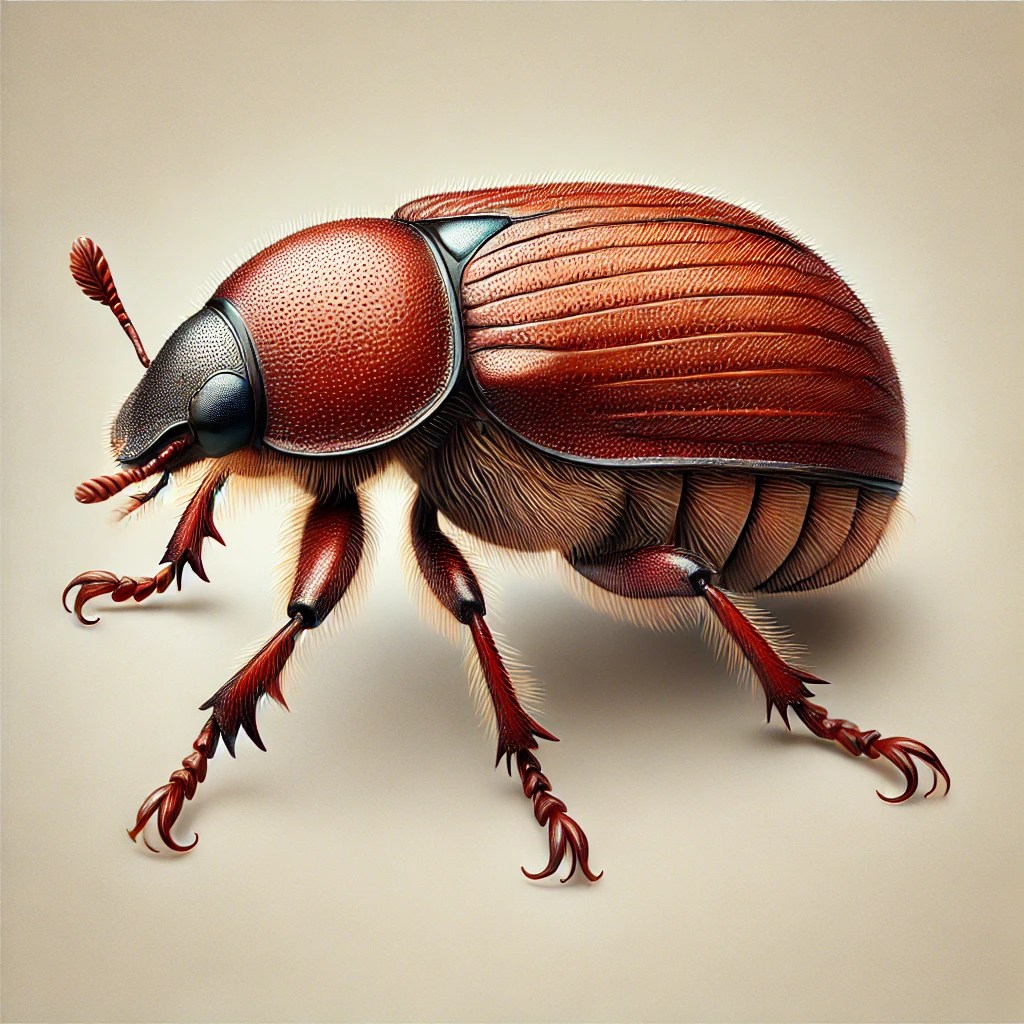
Pantry pests are a group of insects that infest stored food products, often going unnoticed until contamination is widespread. Common culprits include Indian meal moths, weevils, and grain beetles, which lay their eggs in flour, rice, pasta, cereals, nuts, and dried goods. Once hatched, their larvae feed on the food, leaving behind silk webbing, frass (insect droppings), and foul odors.
These pests are highly persistent, with eggs and larvae often hiding inside packaging or even within factory-sealed products. Infestations can spread quickly, requiring the disposal of contaminated food and thorough cleaning of pantry shelves. To prevent them, store dry goods in airtight containers, inspect new purchases for signs of infestation, and rotate stock regularly to avoid long-term storage of susceptible items.
Rats
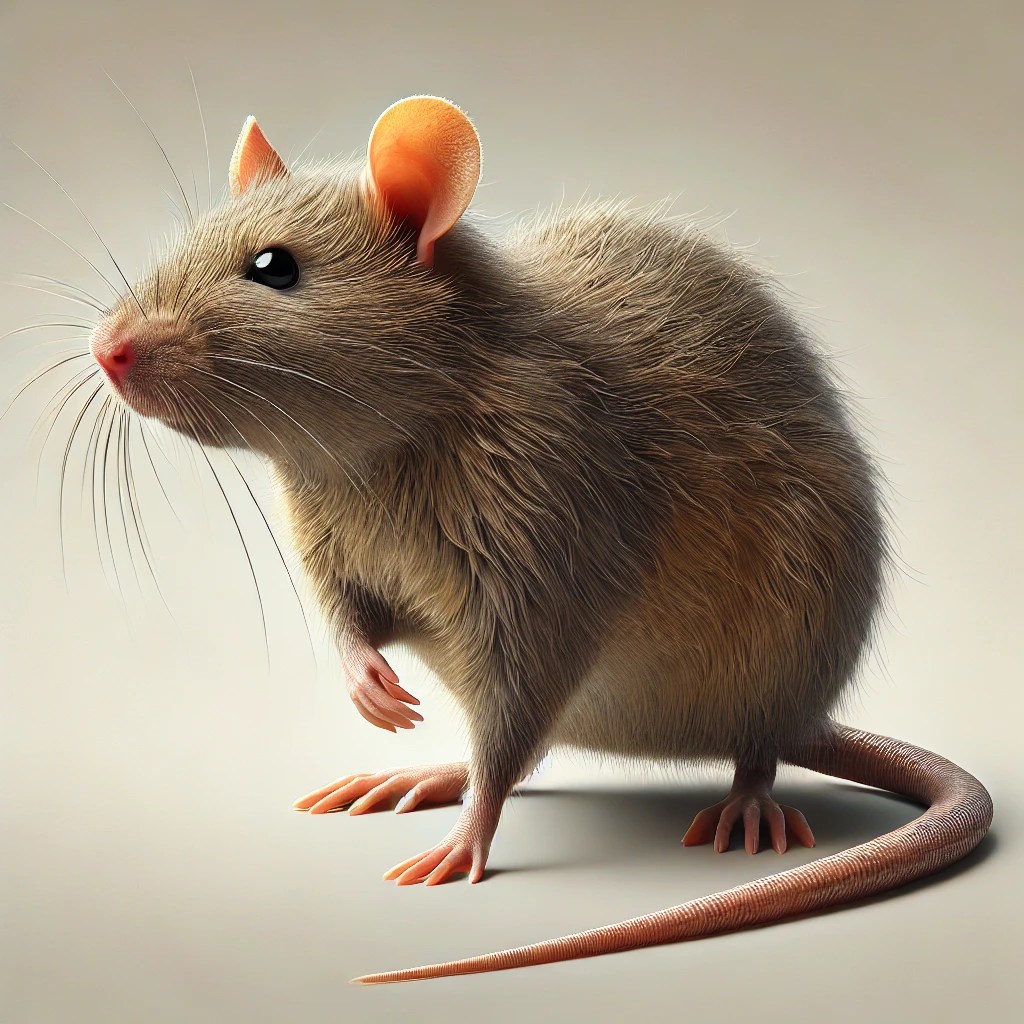
Rats are larger, more destructive relatives of mice, known for their intelligence, adaptability, and rapid reproduction. They thrive in urban and rural environments, seeking food, water, and shelter in homes, businesses, and agricultural settings. Rats are excellent climbers and burrowers, allowing them to invade structures through gaps in walls, vents, and even sewer lines.
Their constant gnawing can cause severe structural damage, including chewed wires that pose fire hazards. Beyond property damage, rats are a major health risk, spreading diseases like leptospirosis, salmonella, and hantavirus through their droppings, urine, and bites. Their presence often attracts secondary pests like fleas and mites. Due to their intelligence and wariness of traps, effective rat control requires a combination of exclusion, sanitation, and targeted removal strategies.
Silverfish
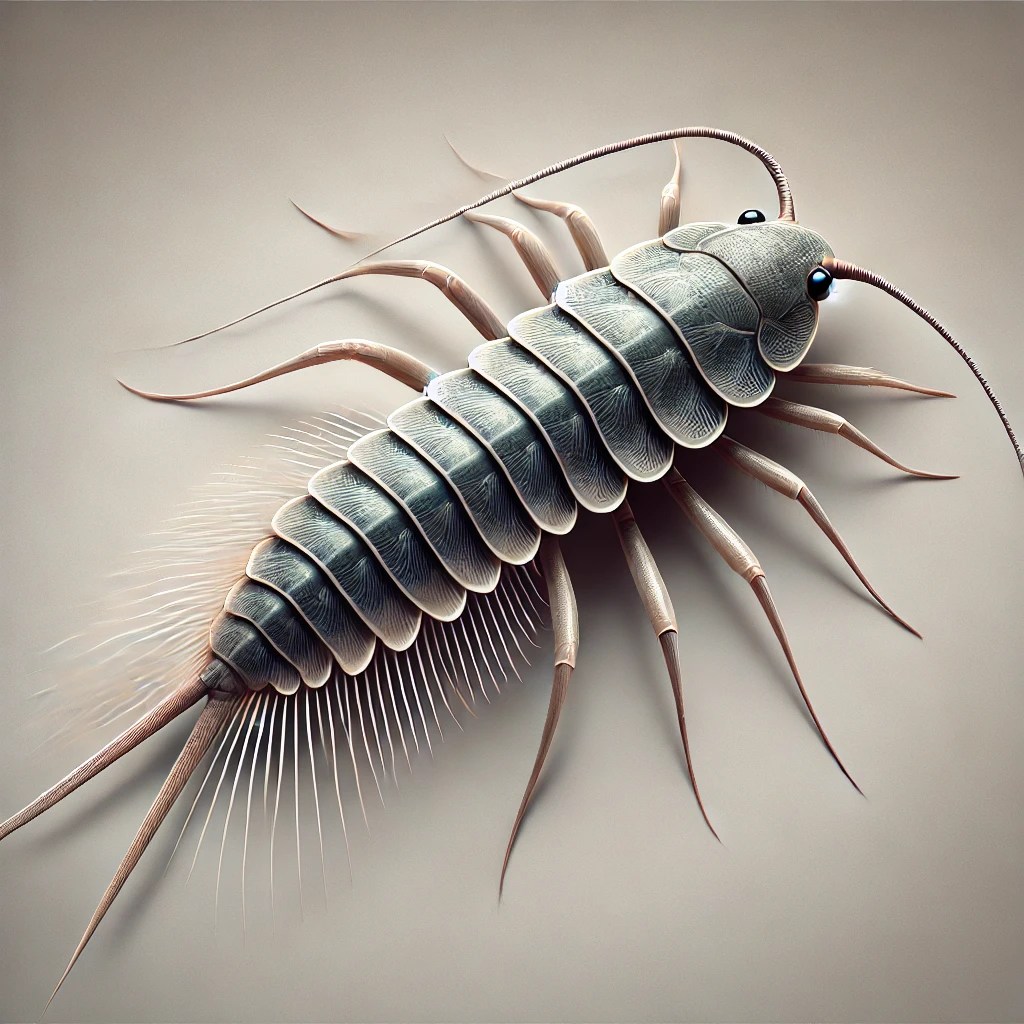
Silverfish are small, fast-moving insects with a distinctive teardrop-shaped body covered in silvery scales. They thrive in dark, humid environments like basements, bathrooms, and attics, feeding on paper, glue, fabric, and even pantry staples like flour and oats. Their secretive nature and quick, darting movements make them difficult to spot until damage becomes noticeable.
While silverfish don’t bite or spread disease, they can ruin books, wallpaper, clothing, and stored food. Their ability to survive long periods without food and their resistance to many DIY treatments make infestations persistent. Controlling them requires reducing humidity, sealing entry points, and eliminating food sources to prevent long-term damage.
Wasps
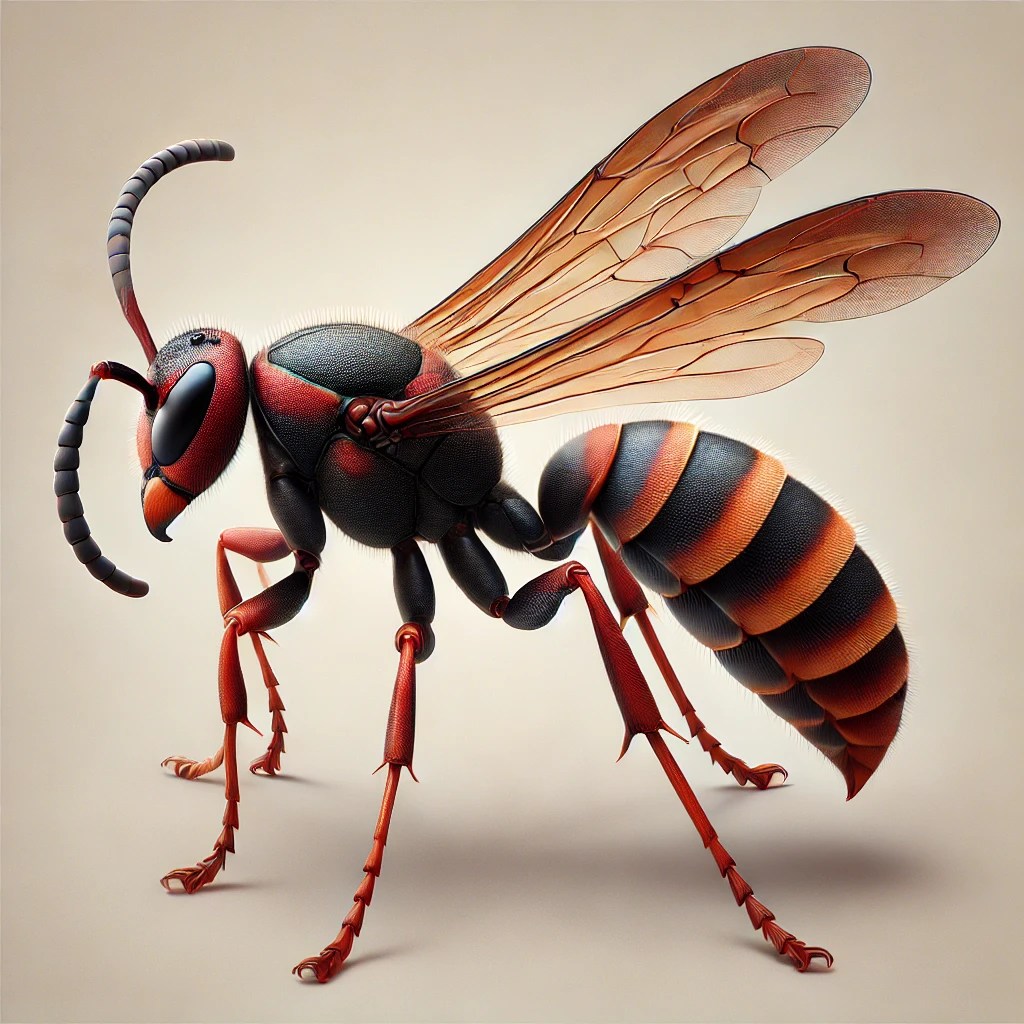
Wasps are aggressive stinging insects that become especially active in late summer and early fall. Unlike bees, they can sting multiple times and are highly defensive of their nests, which they build in trees, eaves, attics, and even underground. Social species, like yellow jackets and paper wasps, are drawn to sugary foods and proteins, making outdoor gatherings a prime target for scavenging.
While wasps play a role in controlling pest populations, their presence near homes and businesses can pose a serious threat, especially to those allergic to their venom. They can become aggressive when disturbed, and late-season colonies are more territorial. Removing a wasp nest should be handled with caution, preferably by professionals, to prevent swarming and stings.
 O'Brien's Pest Management